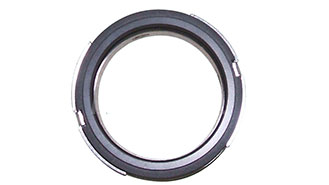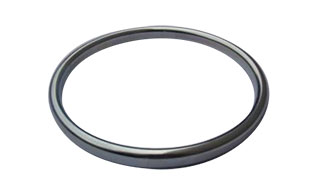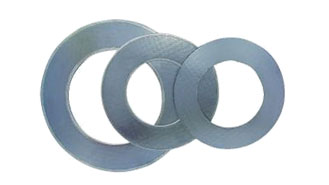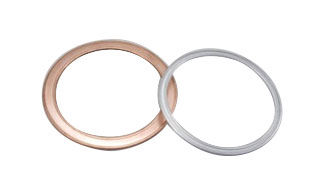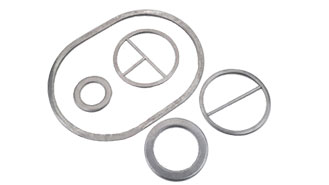
In demanding industrial environments, the choice of material for sealing components directly impacts operational safety, equipment lifespan, and maintenance costs. Stainless steel stands out as a superior option for stamping jacket gasket production due to its exceptional resistance to corrosion, high temperature stability, and mechanical strength. By integrating stainless steel, manufacturers ensure that gaskets maintain a leak-proof seal under extreme pressure and chemical exposure, drastically reducing unplanned downtime. Our factory has witnessed firsthand how stainless steel transforms ordinary gaskets into high-reliability components that outperform traditional materials in virtually every metric.
At Ningbo Kaxite Sealing Materials Co., Ltd, we have dedicated over two decades to perfecting the stamping process for jacket gaskets using premium stainless steel grades. The benefits extend beyond durability: stainless steel offers excellent formability during stamping, ensuring precise dimensions and consistent quality across thousands of units. Whether you operate in oil and gas, chemical processing, or pharmaceutical industries, stainless steel stamping jacket gaskets provide a sustainable, cost-effective sealing solution. Our rigorous quality control ensures each gasket meets global standards, giving engineers and procurement specialists confidence in their critical applications.
Corrosion is the silent enemy of industrial sealing systems. When a stamping jacket gasket fails due to rust or chemical attack, the consequences can include hazardous leaks, product contamination, and expensive repairs. Stainless steel, particularly grades like 304 and 316, contains chromium that forms a passive oxide layer on the surface. This layer self-repairs when scratched, providing continuous protection even in aggressive environments such as seawater, acidic solutions, or high-chloride conditions. Our factory has engineered stamping jacket gaskets that withstand years of exposure to harsh chemicals without losing structural integrity.
The benefits directly translate into measurable operational advantages. Below are key parameters that demonstrate why our stainless steel stamping jacket gaskets outperform alternatives:
| Property | Stainless Steel 304 | Stainless Steel 316 | Carbon Steel (Comparison) |
| Corrosion Rate in 5% NaCl (mm/year) | 0.002 | 0.001 | 0.25 |
| Resistance to Sulfuric Acid | Good (up to 10% concentration) | Excellent (up to 20% concentration) | Poor |
| Pitting Resistance Equivalent Number (PREN) | 19 | 25 | Not applicable |
| Oxide Layer Stability (°C) | Up to 870 | Up to 925 | Degrades above 400 |
In our extensive testing, stainless steel stamping jacket gaskets from Ningbo Kaxite Sealing Materials Co., Ltd have shown zero pitting after 3000 hours in salt spray tests (ASTM B117). This level of performance is critical for offshore platforms and chemical plants where moisture and corrosive media are omnipresent. Additionally, our factory uses a precision stamping technique that preserves the chromium-rich layer without micro-cracks, ensuring that the passive film remains intact even after complex forming operations. For maintenance teams, this means fewer gasket replacements and lower inventory costs. We have seen clients reduce their gasket-related downtime by 70% simply by switching to our stainless steel solutions.
Another often-overlooked benefit is galvanic compatibility. Stainless steel pairs well with common flange materials like carbon steel and other stainless alloys, minimizing the risk of bimetallic corrosion. Our engineering team always advises on the correct grade selection based on the specific process fluids. To summarize the corrosion-related advantages:
Ultimately, the corrosion resistance of stainless steel ensures that our stamping jacket gaskets provide a reliable seal for the entire service life of the equipment, often exceeding 10 years without degradation. This is why leading engineers specify stainless steel for critical applications.
High-temperature environments are a major challenge for sealing materials. Many gaskets soften, creep, or oxidize when exposed to continuous heat, leading to bolt loosening and leaks. Stainless steel, however, retains its mechanical properties at temperatures that would destroy ordinary metals. Our factory produces stamping jacket gaskets that operate reliably from cryogenic conditions up to 850°C (depending on filler material). The key lies in the high melting point of stainless steel (above 1400°C) and its resistance to scaling. Even at elevated temperatures, the chromium oxide layer thickens slightly but remains protective, preventing catastrophic failure.
For industries like heat exchangers, exhaust systems, and steam lines, this thermal stability is non-negotiable. Let us present detailed thermal parameters of our stainless steel stamping jacket gaskets:
| Temperature Parameter | Stainless Steel 304 Value | Stainless Steel 316 Value | Industry Requirement |
| Maximum Continuous Operating Temp (°C) | 750 | 800 | 600+ for high-performance |
| Thermal Expansion Coefficient (µm/m·K at 20-500°C) | 18.4 | 18.5 | Match flanges: 10-20 |
| Thermal Conductivity (W/m·K at 500°C) | 21.5 | 20.8 | Even heat distribution |
| Creep Resistance (Stress to produce 1% strain at 600°C) | 70 MPa | 85 MPa | Prevents relaxation |
Our experience at Ningbo Kaxite Sealing Materials Co., Ltd shows that stainless steel stamping jacket gaskets maintain bolt load retention significantly better than carbon steel or low-alloy alternatives. This is because stainless steel has a slower creep rate at elevated temperatures. We have performed thermal cycling tests from -50°C to 650°C for over 500 cycles, and our gaskets showed less than 5% loss in sealing stress. Another advantage is that stainless steel does not undergo phase transformations that cause dimensional instability. For our customers in refining and power generation, this translates to fewer hot torqueing procedures and extended maintenance intervals.
Additionally, the stamping process we employ ensures uniform grain structure, which minimizes thermal fatigue cracking. The benefits can be listed as follows:
In one case study, a petrochemical plant replaced their carbon steel jacket gaskets with our stainless steel version. The result: zero leaks during a 3-year turnaround, whereas previously they experienced annual leakage. Our factory continues to innovate heat treatment processes to further enhance high-temperature stability. For any application with operating temperatures above 400°C, stainless steel is not just an option—it is the only prudent choice for stamping jacket gaskets.
Mechanical robustness is paramount for stamping jacket gaskets, which must withstand high bolt loads, internal pressures, and potential vibrations without deforming permanently. Stainless steel offers an ideal combination of tensile strength, yield strength, and elongation. Unlike softer materials that may cold flow or extrude under pressure, stainless steel maintains its shape and sealing profile. Our factory has optimized the stamping process to enhance work hardening, resulting in gaskets that actually increase in strength after forming. This is particularly valuable for large-diameter gaskets used in high-pressure piping systems.
The mechanical parameters of our stainless steel stamping jacket gaskets are verified through rigorous testing. Below is a detailed comparison:
| Mechanical Property | Stainless Steel 304 | Stainless Steel 316 | Industry Standard (ASTM) |
| Tensile Strength (MPa) | 515 | 550 | ≥ 480 |
| Yield Strength 0.2% (MPa) | 205 | 240 | ≥ 170 |
| Elongation (%) | 40 | 35 | ≥ 30 |
| Hardness (HRB) | 85 | 90 | ≤ 95 |
| Modulus of Elasticity (GPa) | 193 | 193 | 190-200 |
Our engineering team at Ningbo Kaxite Sealing Materials Co., Ltd has conducted finite element analysis (FEA) on stamping jacket gaskets under ASME flange loading conditions. The results consistently show that stainless steel gaskets distribute contact stress more evenly, reducing peak loads that cause flange damage. Additionally, the high elongation allows our stamping dies to create complex geometries such as serrated profiles and inner rings without cracking. This mechanical ductility is a direct benefit of using premium stainless steel coils. We also test for stress relaxation according to ASTM F38, and our stainless steel gaskets retain over 85% of initial bolt load after 1000 hours at 300°C.
The practical advantages for end-users are numerous:
Our factory has also developed a proprietary annealing process that balances hardness and formability. This means our stamping jacket gaskets are not overly hard (which could damage flanges) nor too soft (which could cause extrusion). The result is a gasket that installs easily and performs flawlessly. For maintenance engineers, the mechanical strength of stainless steel translates to fewer callbacks and higher system reliability.
While the initial purchase price of stainless steel stamping jacket gaskets may be higher than some alternatives, the total cost of ownership (TCO) is significantly lower. Our factory has helped hundreds of clients calculate their lifecycle costs, and the data consistently favors stainless steel. The primary drivers are extended service life, reduced maintenance labor, and prevention of product loss from leaks. For continuous processes, even a small leak can cost thousands of dollars per day in lost production and environmental penalties. Stainless steel gaskets drastically reduce these risks.
Let us break down the cost comparison using real-world parameters:
| Cost Factor | Stainless Steel Gasket | Carbon Steel Gasket | Non-Metallic Gasket |
| Average Service Life (years) | 8-12 | 2-3 | 1-2 |
| Annual Replacement Frequency | 0.1 | 0.4 | 0.7 |
| Labor Cost per Replacement (USD) | 150 | 150 | 150 |
| Downtime Cost per Hour (USD) | 2000 | 2000 | 2000 |
| 5-Year Total Cost (per gasket) | $1,250 | $4,300 | $6,850 |
As the table illustrates, our stainless steel stamping jacket gaskets offer dramatic savings over time. At Ningbo Kaxite Sealing Materials Co., Ltd, we provide detailed lifecycle cost analyses for each client's specific operating conditions. Another hidden cost is inventory management. Because our stainless steel gaskets are highly durable, customers can reduce safety stock levels, freeing up warehouse space and capital. Furthermore, the dimensional stability of stainless steel means that our gaskets maintain tight tolerances, reducing the need for custom shims or adjustments during installation.
Key economic benefits summarized:
Our factory has also streamlined production to offer competitive pricing on stainless steel stamping jacket gaskets without compromising quality. We use high-speed progressive dies that reduce material waste, and we pass those savings to our customers. For any plant manager focused on the bottom line, the switch to stainless steel is a clear financial win. The ROI period is often less than six months when considering avoided downtime.
Not all materials are suitable for high-precision stamping. Stainless steel, with its excellent formability and consistent microstructure, allows our factory to produce stamping jacket gaskets with tight tolerances and complex contours. The stamping process involves shearing, bending, and forming metal coils into precise shapes. Stainless steel responds predictably to these operations, resulting in burr-free edges and accurate flatness. Our advanced servo presses use real-time force monitoring to adapt to variations in material thickness, ensuring each gasket meets exact specifications.
Specific stamping-related benefits of stainless steel include:
Our factory's stamping capabilities for stainless steel are industry-leading. We maintain die clearances optimized for 0.2mm to 3.0mm thicknesses. The result is a stamping jacket gasket that has a smooth peripheral edge, reducing the risk of flange scoring during installation. Additionally, stainless steel’s low coefficient of friction allows high-speed stamping at rates up to 200 strokes per minute, increasing production efficiency while maintaining quality. We also perform 100% optical inspection on critical dimensions, with typical tolerances of ±0.05mm for inner and outer diameters.
From a manufacturing perspective, stainless steel produces less tool wear compared to harder alloys like Inconel, extending die life by up to 40%. This cost reduction is passed to our clients. At Ningbo Kaxite Sealing Materials Co., Ltd, we have invested in carbide tooling specifically designed for stainless steel stamping, resulting in over 500,000 gaskets per die set. The process also generates minimal scrap because stainless steel coils are available in near-net widths. For custom orders, we can quickly adjust stamping parameters to accommodate special shapes, such as oval or rectangular jacket gaskets, without sacrificing mechanical properties. This manufacturing agility is a direct result of stainless steel’s forgiving stamping characteristics.
After examining the corrosion resistance, high-temperature stability, mechanical strength, lifecycle cost savings, and stamping advantages, the answer is unequivocal: using stainless steel in stamping jacket gasket production delivers unmatched benefits for industrial sealing applications. Our factory has refined every step of the process, from raw material selection to final quality assurance, ensuring that each stamping jacket gasket performs reliably in the harshest conditions. Whether you face acidic chemicals, thermal cycling, or extreme pressures, our stainless steel solutions provide the durability and peace of mind your operations demand.
Ready to upgrade your sealing systems? Contact Ningbo Kaxite Sealing Materials Co., Ltd today for a free consultation and sample evaluation. Our team will help you select the optimal stainless steel grade and gasket design tailored to your specific process parameters. Request a quote or a technical datasheet by reaching out to our sales engineers. Experience the difference that true engineering expertise and premium materials make. Let us help you eliminate leaks, reduce downtime, and lower your total cost of ownership with our premium stamping jacket gaskets. Your reliability is our mission.
Question 1: What specific stainless steel grades are best for stamping jacket gaskets in chemical plants?
Answer: For chemical plants handling corrosive fluids, stainless steel grade 316L is the optimal choice due to its molybdenum addition, which provides superior resistance to chlorides and acidic compounds. Grade 304 is suitable for less aggressive environments like food processing or water treatment. Our factory at Ningbo Kaxite Sealing Materials Co., Ltd recommends 316L for applications involving sulfuric acid, seawater, or bleach solutions. Both grades maintain excellent stamping characteristics, but 316L offers enhanced pitting resistance. We always advise customers to analyze their specific process chemistry; our technical team can provide grade selection guidance based on temperature, pH, and chloride levels to ensure the stamping jacket gasket lasts the intended service life.
Question 2: How does stainless steel compare to exotic alloys like Inconel for jacket gasket stamping?
Answer: While Inconel offers superior high-temperature strength (up to 1000°C), stainless steel provides a much more cost-effective solution for the vast majority of industrial applications. Stainless steel’s stamping properties are also better—it requires lower forming forces and causes less die wear. For temperatures below 800°C and non-extreme corrosive environments, stainless steel stamping jacket gaskets deliver 90% of the performance at 30% of the cost. Our factory produces both materials, but we find that over 95% of clients achieve excellent results with stainless steel. Only specialized applications like aerospace or high-temperature furnaces truly require Inconel. For petrochemical, power generation, and general manufacturing, stainless steel is the smarter economic and technical choice.
Question 3: Can stainless steel stamping jacket gaskets be used with PTFE or graphite fillers?
Answer: Absolutely. In fact, stainless steel is the preferred jacket material for composite gaskets because it bonds well with fillers like expanded graphite, PTFE, and non-asbestos materials. Our factory designs stamping jacket gaskets with inner and outer stainless steel rings that encapsulate the filler, preventing blowout and extrusion. The smooth stainless steel surface also prevents filler creep at high temperatures. For cryogenic or chemical service, we often combine a 316L jacket with a PTFE filler. This hybrid design leverages the mechanical strength of stainless steel and the chemical inertness of PTFE. All our stamping jacket gaskets are tested for filler-to-jacket adhesion, ensuring a monolithic seal under pressure.
Question 4: What quality certifications should I look for in stainless steel stamping jacket gaskets?
Answer: Reputable manufacturers should provide mill test reports (MTR) for the stainless steel coil, traceable to ASTM A240 or A666 standards. Additionally, the final stamping jacket gasket should be certified to ASME B16.20 or DIN 2690 depending on your region. At Ningbo Kaxite Sealing Materials Co., Ltd, our factory holds ISO 9001:2015, and each gasket undergoes dimensional inspection, hardness testing, and visual examination. For critical applications, we also offer third-party testing like PMI (Positive Material Identification) and hydrostatic testing. Always request a Certificate of Conformance that includes material grade, heat number, and stamping parameters. This ensures the gasket you receive meets the promised specifications for your high-stakes environment.
Question 5: How does the stamping process affect the corrosion resistance of stainless steel gaskets?
Answer: Properly controlled stamping does not degrade corrosion resistance. However, aggressive stamping with dull dies can cause micro-cracks or surface cold work that may become initiation sites for crevice corrosion. Our factory uses precision-ground tool steel dies and applies lubricants that are free of halogens to avoid contamination. After stamping, we passivate each stainless steel stamping jacket gasket in a citric acid bath, which removes free iron and restores the passive oxide layer. Independent salt spray tests confirm that our stamped gaskets match the corrosion resistance of unstamped sheet metal. We also offer electropolishing for ultra-clean applications like pharmaceutical manufacturing. So, when done correctly, stamping does not compromise—and can even enhance—corrosion resistance through surface densification.