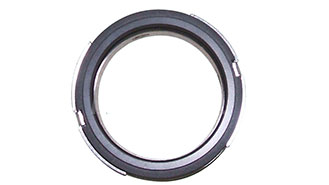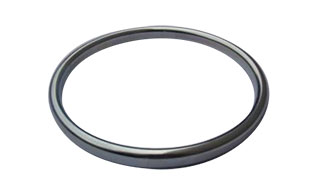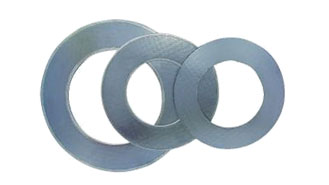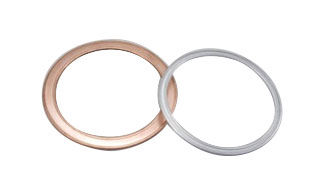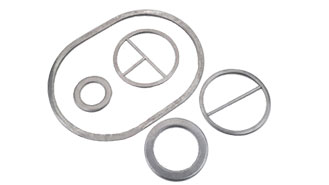
Double Jacket Gaskets play a crucial role in maintaining leak-free connections in high-pressure and high-temperature industrial applications. At Ningbo Kaxite Sealing Materials Co., Ltd., our commitment to quality and precision ensures that our Double Jacket Gaskets deliver reliable sealing performance across diverse environments. This article explores the key design factors that influence their efficiency and longevity, offering an in-depth understanding for engineers, procurement professionals, and industrial decision-makers.

Material selection is fundamental in determining the sealing efficiency of Double Jacket Gaskets. At Ningbo Kaxite Sealing Materials Co., Ltd., our factory uses high-grade metals and fillers to produce gaskets that resist pressure, temperature, and chemical corrosion. Understanding material properties helps ensure long-lasting performance and prevents premature failure.
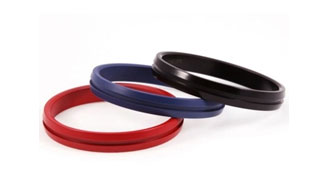
| Component | Material | Temperature Range | Pressure Rating | Corrosion Resistance |
| Outer Jacket | 304 Stainless Steel / 316 Stainless Steel | -50°C to 600°C | Up to 40 bar | Excellent against oxidizing and reducing agents |
| Filler | Graphite / PTFE / Mineral Fiber | -200°C to 450°C | Up to 35 bar | High chemical resistance and conformability |
Our choice of materials ensures that each Double Jacket Gasket from Ningbo Kaxite Sealing Materials Co., Ltd. meets international industrial standards while providing reliable performance in diverse applications.
The construction and layering of Double Jacket Gaskets are pivotal factors that directly influence their sealing efficiency. At Ningbo Kaxite Sealing Materials Co., Ltd., our factory meticulously engineers each gasket to ensure that both the outer jacket and the filler material work together seamlessly, delivering reliable performance even under high-pressure, high-temperature, and chemically aggressive conditions. Understanding the construction details helps engineers and procurement professionals select the most suitable gasket for their applications, ensuring long-term reliability.
Our Double Jacket Gaskets are designed with two primary components: the outer metal jackets and the inner flexible filler. This configuration allows the gasket to withstand significant mechanical stress while adapting to surface irregularities. The outer jackets provide structural integrity and mechanical strength, protecting the filler from extrusion and deformation. Meanwhile, the inner filler ensures conformity to flange surfaces, compensating for any unevenness or minor imperfections that could otherwise compromise the seal.
The layering of the gasket, including the thickness and uniformity of each layer, is critical. Our factory emphasizes the following layering principles:
The way a Double Jacket Gasket is constructed affects several key aspects of its sealing performance:
At Ningbo Kaxite Sealing Materials Co., Ltd., our factory employs advanced manufacturing techniques to control every aspect of gasket construction. CNC machinery ensures consistent dimensions, automated layering systems maintain precise filler placement, and strict quality control protocols verify that each gasket meets or exceeds industrial standards. By controlling these construction variables, our Double Jacket Gaskets achieve superior performance, reliability, and longevity.
In summary, the construction and layering of Double Jacket Gaskets are critical determinants of their sealing efficiency. Our factory focuses on precise metal jackets, optimal filler density, edge reinforcement, and layer adhesion to ensure that our gaskets perform reliably under extreme conditions. By understanding these construction factors, engineers and buyers can confidently select Double Jacket Gaskets that provide long-term, leak-free performance in demanding industrial environments.
The dimensions and tolerances of Double Jacket Gaskets play a decisive role in ensuring their sealing efficiency. Even minor deviations in size, thickness, or flatness can result in leaks, uneven pressure distribution, or damage to the flange surface. At Ningbo Kaxite Sealing Materials Co., Ltd., our factory applies strict quality control and precision engineering to maintain consistent dimensions, ensuring that every Double Jacket Gasket achieves optimal performance in high-pressure, high-temperature, and chemically challenging industrial applications.
Precise dimensions directly impact how a gasket fits between flanges and distributes mechanical stress. If the inner and outer diameters are inaccurate, the gasket may not align correctly, causing localized stress concentrations and potential leakage. Our factory emphasizes the following dimensional aspects:
Tolerance control is equally critical for achieving long-term sealing efficiency. Our factory establishes tight tolerances for all Double Jacket Gaskets to guarantee repeatable performance in industrial operations. Key tolerance considerations include:
At Ningbo Kaxite Sealing Materials Co., Ltd., our factory employs advanced measurement tools and automated quality control systems to ensure all gaskets meet stringent dimensional and tolerance specifications. These practices include:
Gaskets with precise dimensions and tolerances offer several advantages for industrial operations:
Our Double Jacket Gaskets at Ningbo Kaxite Sealing Materials Co., Ltd. combine precise engineering, tight tolerances, and consistent quality control to deliver superior sealing performance across diverse industrial applications. By focusing on dimensional accuracy, we ensure that our gaskets perform reliably under demanding conditions, providing peace of mind and operational efficiency for our customers.
Even the most precisely engineered Double Jacket Gasket can fail if installation and maintenance are not performed correctly. At Ningbo Kaxite Sealing Materials Co., Ltd., our factory emphasizes that proper installation procedures and regular maintenance checks are as crucial as material quality and design for ensuring long-term sealing performance. Understanding these practices helps industrial operators, maintenance teams, and engineers optimize gasket life and maintain operational safety.
The installation of a Double Jacket Gasket requires careful attention to detail to avoid common issues such as misalignment, over-compression, or incomplete sealing. Our factory recommends the following steps:
Regular inspection and maintenance are essential for sustaining gasket efficiency over time. Our factory provides guidance on maintenance procedures to prevent early failure:
Implementing correct installation and maintenance practices significantly enhances the long-term sealing performance of Double Jacket Gaskets:
At Ningbo Kaxite Sealing Materials Co., Ltd., our factory not only produces high-quality Double Jacket Gaskets but also provides guidance and training on installation and maintenance best practices. Our goal is to help customers maximize the efficiency, safety, and durability of their gaskets. By combining precision manufacturing with proper operational practices, our gaskets consistently deliver reliable, long-term performance in demanding industrial environments.
In conclusion, installation and maintenance are critical factors influencing the long-term efficiency of Double Jacket Gaskets. By following proper procedures, operators can ensure leak-free performance, extended service life, and reduced operational risks. Our factory remains committed to supporting our customers in achieving optimal results with every Double Jacket Gasket we provide.
Understanding what design factors influence the sealing efficiency of Double Jacket Gaskets is essential for industrial applications where reliability and safety are critical. At Ningbo Kaxite Sealing Materials Co., Ltd., our Double Jacket Gaskets are designed with premium materials, precise construction, strict dimensional control, and recommended installation practices to ensure superior performance. By choosing our products, you invest in long-term reliability and efficiency for your operations.
Explore our full range of Double Jacket Gaskets today and experience the difference our factory’s quality and expertise can make. Contact our team for consultation or a customized solution to meet your specific industrial needs.
Q1: What materials are used in Double Jacket Gaskets to ensure sealing efficiency?
Our Double Jacket Gaskets utilize stainless steel for outer jackets and high-quality fillers like graphite, PTFE, and mineral fibers to provide resistance to temperature, pressure, and chemical corrosion.
Q2: How does the construction of Double Jacket Gaskets affect their performance?
The double jacket design with a flexible filler layer allows for even pressure distribution, resilience under high-pressure conditions, and compensation for flange irregularities, ensuring long-term sealing efficiency.
Q3: Why are precise dimensions and tolerances critical for these gaskets?
Accurate inner/outer diameters, uniform thickness, and flatness prevent leaks, ensure proper flange fit, and distribute pressure evenly, which is essential for maintaining sealing efficiency.
Q4: What installation practices improve gasket longevity?
Proper alignment, calibrated torque, clean flange surfaces, and regular inspection help maintain optimal performance and prevent premature gasket failure in industrial applications.
Q5: How does material compatibility influence sealing performance?
Selecting the right combination of jacket metal and filler that withstands chemical and thermal environments ensures the gasket maintains sealing efficiency without degradation over time.