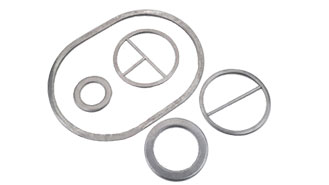
In industrial sealing applications where high pressure, extreme temperature, and aggressive media are involved, material selection directly determines reliability and service life. Understanding what materials are commonly used in Double Jacket Gasket designs is not only a technical question but also a critical procurement decision for engineers, maintenance teams, and project managers. At Ningbo Kaxite Sealing Materials Co., Ltd., our long-term experience in sealing technology allows us to match material performance precisely with real operating conditions.
A Double Jacket Gasket typically combines a metallic outer jacket with a soft filler core. This structure delivers both mechanical strength and sealing adaptability. However, the actual performance depends heavily on the materials chosen for both the jacket and the filler. Our factory focuses on stable material sourcing, controlled manufacturing processes, and application-oriented design to ensure that every Double Jacket Gasket delivers consistent sealing performance across industries such as petrochemical, power generation, marine, and heavy manufacturing.
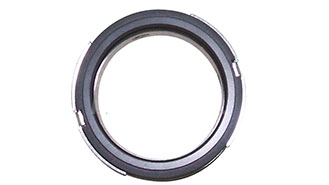
The structural role of materials in Double Jacket Gaskets is the foundation of their sealing reliability, mechanical stability, and service life in industrial applications. Unlike single-material gaskets, this type of gasket is designed as a composite system, where different materials work together to manage pressure, temperature, and chemical exposure. Each material within the structure performs a specific function, and only through proper coordination can the gasket achieve consistent long-term performance.
A Double Jacket Gasket is primarily composed of two key elements: a metallic outer jacket and an internal filler material. These two components are not interchangeable in function. Instead, they are engineered to complement each other under compression, ensuring that the gasket can both withstand mechanical loads and adapt to flange surface imperfections.
The metal jacket is the structural framework of a Double Jacket Gasket. Its main role is to provide strength, dimensional stability, and resistance to internal system pressure. When the gasket is installed and bolt load is applied, the metal jacket limits excessive compression and prevents uncontrolled deformation of the sealing element.
From a structural perspective, the metal jacket performs several critical functions:
Without the metal jacket, the gasket would lack the rigidity required for high-pressure systems. The jacket acts as a controlled barrier, ensuring that compression remains within a predictable range, which is essential for maintaining sealing stress over time.
While the metal jacket provides strength, the inner filler material is responsible for the actual sealing function. Structurally, the filler acts as a deformable core that compensates for flange surface irregularities, misalignment, and minor surface damage. This adaptability is critical in real-world installations where perfectly flat flange surfaces are rarely achieved.
The filler material contributes structurally by:
The balance between filler softness and jacket rigidity is a key structural consideration. A filler that is too soft may lose sealing stress over time, while a filler that is too dense may not conform adequately to the flange surface.
The interaction between the metal jacket and the filler material defines the structural behavior of Double Jacket Gaskets under operating conditions. During tightening, the filler compresses first, filling microscopic gaps on the flange surface. As compression increases, the metal jacket begins to engage more fully, limiting further deformation and stabilizing the gasket structure.
This interaction creates a controlled compression profile, allowing the gasket to achieve effective sealing without overstressing either the gasket or the flange. The structural interaction can be summarized as follows:
| Component | Primary Structural Role | Effect Under Compression |
| Metal Jacket | Load control and shape retention | Limits deformation and prevents blowout |
| Filler Material | Surface adaptation and sealing | Compresses to fill flange irregularities |
| Combined Structure | Balanced rigidity and flexibility | Maintains stable sealing stress |
Over time, gaskets are exposed to temperature cycling, pressure fluctuations, and mechanical vibration. The structural balance between jacket and filler materials determines how well the gasket maintains its sealing properties under these conditions. A well-matched material combination minimizes relaxation, creep, and fatigue, which are common causes of leakage.
In summary, the structural role of materials in Double Jacket Gaskets is not defined by any single component, but by the interaction between materials. The metal jacket provides strength and control, while the filler delivers adaptability and sealing efficiency. Together, they create a robust sealing system capable of long-term performance in demanding industrial environments.
The selection of metal materials for the outer jacket is one of the most critical design decisions in a Double Jacket Gasket. The metal jacket directly determines the gasket’s mechanical strength, pressure resistance, corrosion tolerance, and service life. Because the outer jacket is the primary load-bearing component, its material must remain stable under compression while resisting the operating environment of the sealing system.
In industrial applications, the metal jacket is continuously exposed to bolt load, internal pressure, temperature fluctuations, and external corrosion factors. For this reason, material selection is never arbitrary. It must be based on operating temperature, pressure class, media compatibility, flange material, and expected maintenance cycles.
The outer jacket functions as the structural shell of the Double Jacket Gasket. During tightening, it controls compression and prevents excessive deformation of the filler. During operation, it resists internal pressure and protects the sealing core from erosion and blowout. If the jacket material lacks sufficient strength or corrosion resistance, the entire gasket assembly may fail prematurely.
A properly selected metal jacket material ensures:
Several metals are commonly used for the outer jacket of a Double Jacket Gasket, each offering distinct performance characteristics. The choice depends on balancing mechanical strength, corrosion resistance, cost, and application requirements.
The most widely used metal materials include:
Each metal behaves differently when subjected to pressure, temperature, and chemical exposure. Understanding these differences helps engineers select the most suitable jacket material for long-term sealing reliability.
| Metal Material | Temperature Capability | Corrosion Resistance | Mechanical Strength | Typical Applications |
| Carbon Steel | Low to medium temperature | Moderate | High | Oil and gas pipelines, standard process systems |
| Stainless Steel 304 | Medium to high temperature | High | High | Chemical plants, food and beverage processing |
| Stainless Steel 316 | High temperature | Very high | High | Marine environments, aggressive chemical media |
| Copper | Medium temperature | Good | Medium | Heat exchangers, steam systems |
| Nickel Alloys | Very high temperature | Excellent | Very high | Refineries, power generation, extreme conditions |
Beyond material type, the thickness and forming quality of the metal jacket play a crucial role in gasket performance. A thicker jacket increases pressure resistance but requires higher bolt load for proper compression. A thinner jacket offers better conformability but may be unsuitable for high-pressure systems.
Key structural considerations related to metal forming include:
No single metal is suitable for all applications. Selecting the correct outer jacket material requires a holistic understanding of operating conditions, maintenance expectations, and system design. When properly matched, the metal jacket ensures that the Double Jacket Gasket maintains its structural integrity, protects the filler material, and delivers reliable sealing throughout its service life.
In essence, the outer jacket metal is the backbone of the gasket. Its material choice defines how the gasket responds to mechanical stress, environmental exposure, and long-term operation, making it one of the most decisive factors in sealing performance.
The filler material inside Double Jacket Gaskets plays a decisive role in achieving effective sealing performance. While the metal jacket provides structural strength and compression control, the filler material is responsible for creating and maintaining the seal between flange surfaces. Its ability to deform, recover, and remain stable under operating conditions directly affects leakage prevention and long-term reliability.
In practical industrial environments, flange surfaces are rarely perfectly flat or aligned. The filler material compensates for surface roughness, machining marks, and minor misalignment. For this reason, selecting the appropriate filler is just as important as choosing the correct metal jacket material.
Structurally, the filler acts as a compressible core that responds to bolt load during installation. When compression is applied, the filler flows into microscopic voids on the flange face, creating intimate contact and blocking potential leakage paths. At the same time, it must resist excessive compression, creep, and relaxation to maintain sealing stress over extended service periods.
The filler material must achieve several structural objectives simultaneously:
Different operating conditions require different filler materials. The most commonly used filler materials in Double Jacket Gaskets are selected based on temperature resistance, chemical compatibility, and mechanical behavior under load.
Common filler materials include:
Each filler material exhibits distinct performance characteristics that influence gasket behavior during operation. Understanding these differences helps ensure correct material selection for specific applications.
| Filler Material | Temperature Resistance | Chemical Compatibility | Compressibility | Typical Applications |
| Flexible Graphite | High | Excellent | Medium | Petrochemical, power generation, steam systems |
| Ceramic Fiber | Very High | Good | Low to Medium | Furnaces, high-temperature exhaust systems |
| Non-Asbestos Fiber | Medium | Good | Medium | General industrial sealing |
| PTFE-Based | Low to Medium | Excellent | High | Chemical processing, corrosive media |
Beyond material type, filler density and structural form have a direct impact on sealing behavior. A higher-density filler offers better resistance to blowout but requires higher bolt load for effective compression. A lower-density filler provides better conformability but may be more susceptible to relaxation under prolonged stress.
Key considerations related to filler structure include:
In conclusion, the filler material is the active sealing element within Double Jacket Gaskets. Its ability to deform under load, recover during thermal cycles, and resist chemical attack defines the gasket’s sealing efficiency. When properly matched with the metal jacket, the filler ensures stable, long-term sealing performance across a wide range of industrial applications.
The performance of Double Jacket Gaskets is determined not just by the individual materials used for the jacket and filler, but by the interaction and compatibility of these materials under specific operating conditions. At Ningbo Kaxite Sealing Materials Co., Ltd., we emphasize application-driven material selection to ensure that every Double Jacket Gasket meets the unique requirements of different industrial environments. The combination of jacket and filler materials directly influences durability, sealing efficiency, and long-term operational reliability.
Material combinations are critical because they define how the gasket reacts to pressure, temperature, chemical exposure, and mechanical stress. While the metal jacket provides structural support, the filler material ensures a tight seal against flange surfaces. If these materials are mismatched, the gasket may fail prematurely due to issues such as leakage, creep, or chemical degradation. Our factory carefully evaluates flange type, bolt load, and operational conditions before recommending the optimal combination of materials for each application.
Proper material pairing provides several advantages:
Each industry imposes unique demands on Double Jacket Gaskets. Selecting the appropriate material combination ensures that gaskets perform reliably under the specific conditions of their application. Common industry considerations include temperature ranges, chemical exposure, pressure classes, and maintenance schedules.
The interaction between jacket and filler materials determines how a gasket performs during installation and operation. Key performance outcomes affected by material combinations include:
A carefully selected jacket and filler combination minimizes gasket failure, reduces the frequency of replacement, and decreases downtime for industrial systems. Our factory provides guidance on optimal combinations based on operational conditions, which helps clients reduce maintenance costs and avoid unscheduled production interruptions. Additionally, material combinations optimized for specific environments enhance safety by maintaining leak-free operation under extreme conditions.
Selecting materials requires a systematic evaluation of:
By carefully analyzing these factors, our engineers at Ningbo Kaxite Sealing Materials Co., Ltd. ensure that each Double Jacket Gasket achieves the ideal balance between strength, adaptability, and durability. This approach guarantees reliable performance across industries, from petrochemical and power generation to marine and chemical processing.
Understanding what materials are commonly used in Double Jacket Gaskets is essential for achieving safe, reliable, and cost-effective sealing. From the metal jacket to the internal filler, each material contributes to overall performance. At Kaxite, our expertise, controlled manufacturing processes, and application-driven material selection ensure that every Double Jacket Gasket meets demanding industrial requirements.
Choosing the right materials is not only about technical specifications but also about long-term operational stability. Our factory works closely with clients to provide sealing solutions that reduce downtime and maintenance costs. Contact our factory today to discuss application requirements, material selection, and customized Double Jacket Gasket solutions that improve reliability and reduce operational risk.
Q1: What materials are most suitable for high temperature Double Jacket Gasket applications?
Stainless steel or nickel alloy jackets combined with flexible graphite or ceramic fiber fillers are commonly used for sustained high temperature service.
Q2: Why is stainless steel frequently selected for Double Jacket Gasket jackets?
Stainless steel offers excellent corrosion resistance, mechanical strength, and temperature stability, making it suitable for diverse industrial environments.
Q3: How does filler material influence sealing performance?
The filler material provides compressibility and adaptability, allowing the gasket to conform to flange surfaces and maintain sealing stress over time.
Q4: Are Double Jacket Gaskets suitable for chemical processing industries?
Yes, when combined with chemically resistant fillers such as PTFE or graphite, they perform reliably in aggressive chemical environments.
Q5: How can material selection extend gasket service life?
Proper material matching reduces thermal degradation, chemical attack, and mechanical fatigue, ensuring stable long-term sealing.