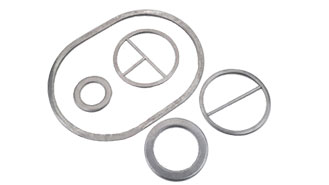
In the refinery and petrochemical industry, selecting the right sealing solutions is vital for operational efficiency, safety, and maintenance cost reduction. Double Jacket Gaskets play a critical role in ensuring reliable sealing under high pressures, extreme temperatures, and corrosive chemicals. At Ningbo Kaxite Sealing Materials Co., Ltd., we produce high-quality Double Jacket Gaskets engineered to meet international standards and deliver long-term performance. In this article, we will explore key factors in selecting the right Double Jacket Gasket, provide detailed specifications, practical guidelines, and demonstrate why our products stand out in the industry.
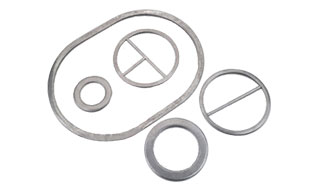
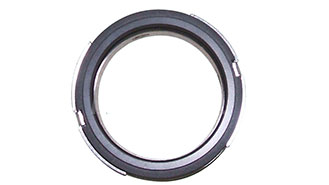
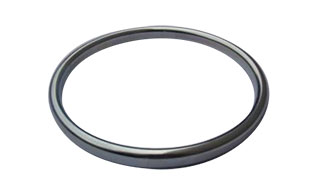
A Double Jacket Gasket consists of two concentric metal jackets filled with a soft, high-performance sealing material. This structure allows the gasket to withstand extreme operating conditions while maintaining a reliable seal. Understanding its construction and functionality is essential when selecting the right gasket for refinery and petrochemical applications.
| Product Name | Double Jacket Gasket |
| Outer/Inner Jackets | Stainless Steel 304/316, Carbon Steel, Alloy Steel |
| Filler Material | Graphite, PTFE, Ceramic Fiber, Flexible Graphite |
| Temperature Range | -200°C to 550°C |
| Pressure Rating | 1500 psi to 5000 psi |
| Applications | Refinery, Petrochemical, Power Plants, Heat Exchangers |
Our Double Jacket Gaskets are rigorously tested in our factory to ensure performance consistency. By understanding how this gasket type functions, our clients can make informed decisions when selecting the right product for their systems.
Selecting the right materials for your Double Jacket Gasket is one of the most critical steps in ensuring long-term sealing performance in refinery and petrochemical systems. Material choice directly affects temperature tolerance, pressure resistance, chemical compatibility, and overall durability. At Ningbo Kaxite Sealing Materials Co., Ltd., our factory emphasizes precise material selection to match the specific operational environment of each client.
Our factory provides a range of material combinations tailored to specific operational needs. Selecting the right combination ensures optimal sealing, minimal maintenance, and extended service life.
| Jacket Material | Filler Material | Application Range |
| 304 Stainless Steel | Graphite | General refinery and petrochemical systems, moderate chemical exposure |
| 316 Stainless Steel | Flexible Graphite | Corrosive chemical systems, high-temperature operations |
| Carbon Steel | PTFE | Non-corrosive media, moderate temperature systems |
| Alloy Steel | Ceramic Fiber | High-temperature heat exchangers, reactors, and critical process lines |
By following these selection guidelines and leveraging our factory’s expertise, our Double Jacket Gaskets provide superior sealing performance, reduce maintenance frequency, and extend operational life. Material selection is the foundation of a successful gasket application, and our team at Ningbo Kaxite Sealing Materials Co., Ltd. ensures every gasket is tailored for your refinery and petrochemical system requirements.
Beyond material choice, the design of a Double Jacket Gasket greatly affects its performance. Even minor deviations in thickness, jacket layering, or filler density can compromise the seal.
Our factory uses CNC cutting, automated rolling, and filler impregnation to maintain precise design tolerances. This ensures every Double Jacket Gasket performs reliably under demanding conditions.
The reliability of a Double Jacket Gasket depends on manufacturing precision and strict quality control. Inferior production can lead to leaks, blowouts, and operational hazards.
By focusing on high-quality materials, precise manufacturing, and rigorous testing, Ningbo Kaxite Sealing Materials Co., Ltd. ensures our Double Jacket Gaskets provide reliable performance and longevity in refinery and petrochemical applications.
Selecting the right Double Jacket Gasket requires careful evaluation of material compatibility, design specifications, and manufacturing quality. At Kaxite Sealing, our Double Jacket Gaskets are designed for extreme performance, ensuring operational safety and minimal downtime. Our team provides guidance and tailored solutions to help clients make informed selection decisions and achieve long-term efficiency.
Contact us today to learn more about our Double Jacket Gaskets and discover how our solutions can optimize your refinery and petrochemical operations.
Q1: What factors should I consider when selecting a Double Jacket Gasket for high-pressure systems?
A1: Consider jacket material strength, filler density, flange compatibility, and temperature tolerance. Our Double Jacket Gaskets withstand pressures up to 5000 psi and provide stable sealing under thermal and mechanical stress.
Q2: How do different filler materials affect gasket performance?
A2: Filler materials affect compressibility, chemical resistance, and temperature tolerance. Flexible graphite provides high-temperature resistance and chemical stability, while PTFE suits non-corrosive moderate-temperature applications. Our factory provides material selection guidance based on system requirements.
Q3: Can a Double Jacket Gasket be used in corrosive chemical environments?
A3: Yes, with compatible jackets like 316 stainless steel and fillers such as flexible graphite, Double Jacket Gaskets resist aggressive chemicals. Our team ensures gaskets meet corrosion resistance standards for refinery and petrochemical systems.
Q4: How important is dimensional accuracy in gasket installation?
A4: Dimensional accuracy is critical to prevent leaks and maintain seal integrity. Our factory uses precise CNC cutting and automated measurement systems to ensure every gasket fits perfectly with its corresponding flange.
Q5: What maintenance practices help extend the life of Double Jacket Gaskets?
A5: Regular inspection, proper flange torque, and avoiding exposure beyond rated chemical or temperature limits extend gasket life. Our factory provides guidelines to ensure optimal installation and long-term performance.